
BA/BE Studies — Bioavailability & Bioequivalence
End-to-end bioavailability and bioequivalence studies for pharmaceutical, biotech, and generic drug companies — from protocol design to submission-ready reports, all under one roof.
Executed
Execution
Methods
Centre
What Are BA/BE Studies?
Bioavailability and bioequivalence studies are the scientific backbone of generic drug approval. Before a regulator like the US FDA, EMA, DCGI, or ANVISA approves a generic formulation, it must be proven to behave in the human body the same way the innovator product does. Celesta Healthcare runs these studies end to end — clinical conduct, bioanalysis, pharmacokinetics, statistics, and medical writing — at our dedicated clinical research centre in Pune, India.
The rate and extent to which the active ingredient is absorbed from a drug product and becomes available at the site of action — measured through drug concentration in blood plasma over time.
A comparative study proving a test formulation delivers the same amount of drug at the same rate as the reference product — the accepted regulatory pathway for generic approval worldwide.
| Aspect | Bioavailability (BA) | Bioequivalence (BE) |
|---|---|---|
| What it measures | Rate and extent of drug absorption into systemic circulation | Comparability of a test product against a reference product |
| Products involved | A single formulation studied on its own | Two formulations — generic (test) vs innovator (reference) |
| Key parameters | Cmax, Tmax, AUC from plasma concentration profiles | 90% CI of test/reference Cmax & AUC ratio within 80.00–125.00% |
| Typical use | New formulations, dose proportionality, food-effect assessment | Generic drug approval (ANDA, EU generics, DCGI, ANVISA) |
BA/BE Study Types We Conduct
From standard healthy volunteer crossover studies to complex special population and device-based programs — every study is designed around your molecule and target market.
Healthy Adult BA/BE Studies
Fasting and fed studies in healthy adult male and female volunteers — pilot and pivotal crossover or parallel designs.
Postmenopausal Female Studies
Dedicated BA/BE programs in healthy postmenopausal women for hormone and gender-specific formulations.
Biosimilar BE Studies
Comparative PK studies for biosimilars with large-molecule bioanalytical expertise and immunogenicity awareness.
Patient PK Studies
Pharmacokinetic studies in patient populations where healthy volunteer dosing is not appropriate.
Population Bioequivalence Studies
Population BE designs for products where conventional average BE is not sufficient for approval.
Transdermal Patch Studies
Specialized BA/BE designs for transdermal systems including adhesion and residual drug assessments.
Nasal Spray Studies
In vivo BE programs for nasal and inhalation products with device handling and priming protocols.
LC-MS/MS Precision at the Core
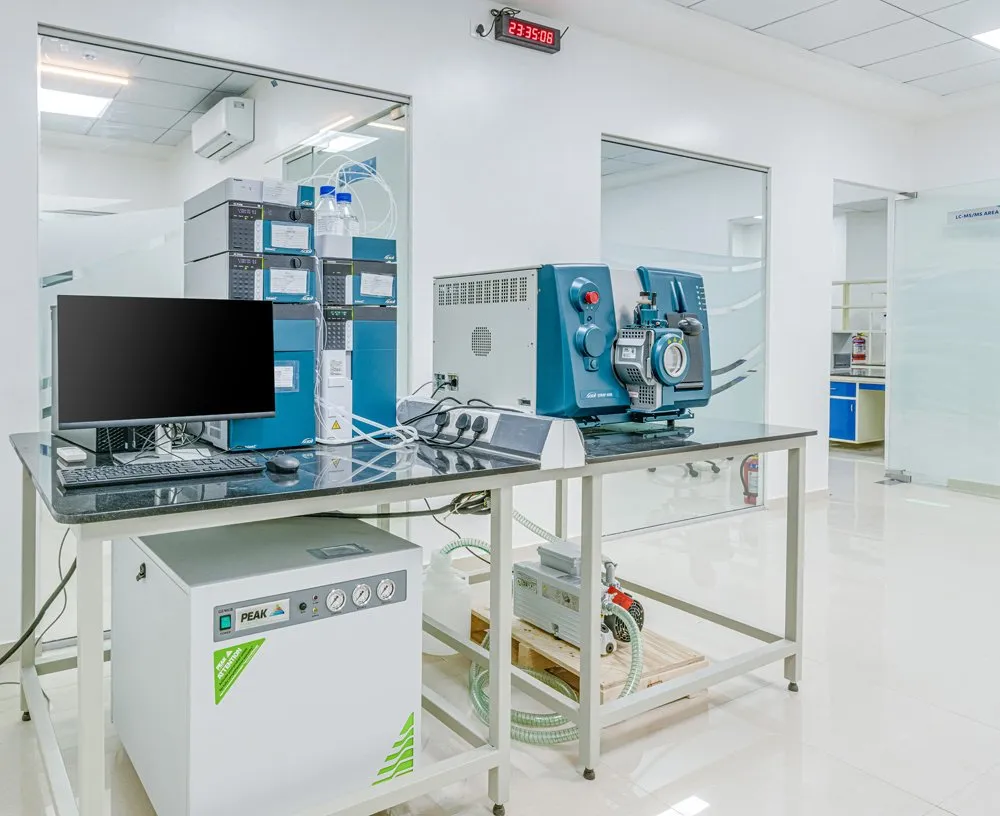
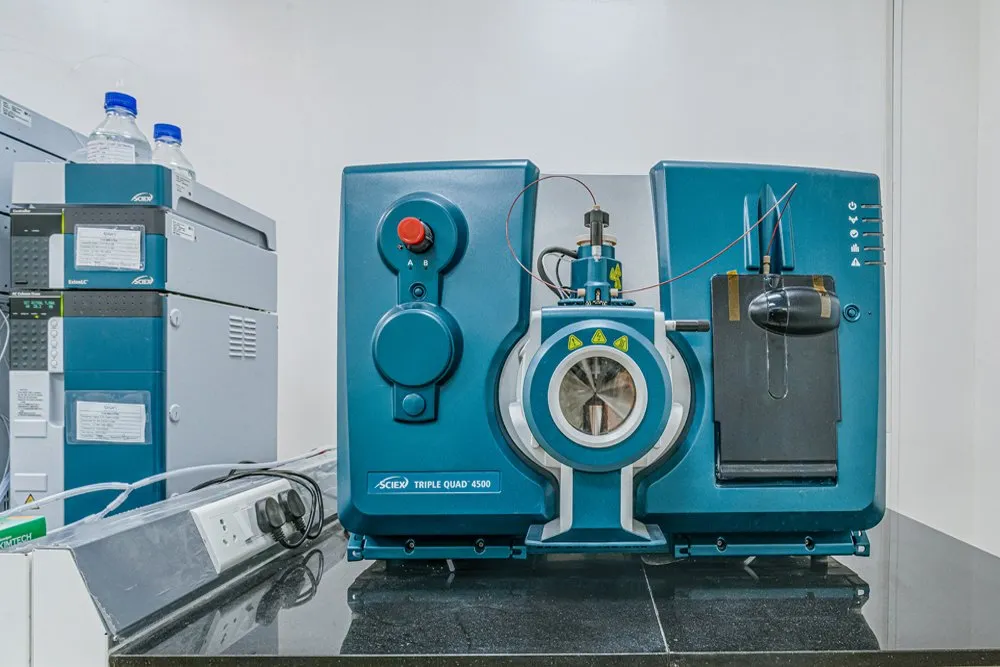
Drug concentrations are quantified on coupled LC-MS/MS units from AB Sciex, backed by a method development and validation team experienced across small molecules, large molecules, endogenous compounds, and biologics. Recent work includes Semaglutide validated at 1.000 ng/mL in human plasma.
A Look Inside the 17,000 Sq Ft BA/BE Centre
Real photographs from our clinical research centre — the bioanalytical laboratory, clinical unit, and volunteer areas where every study runs.
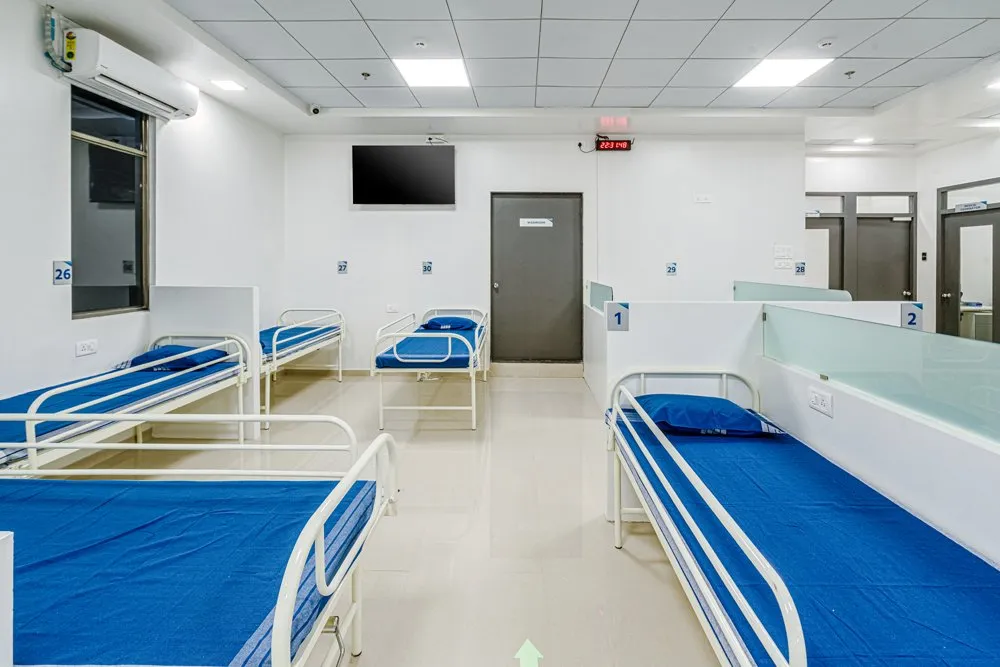
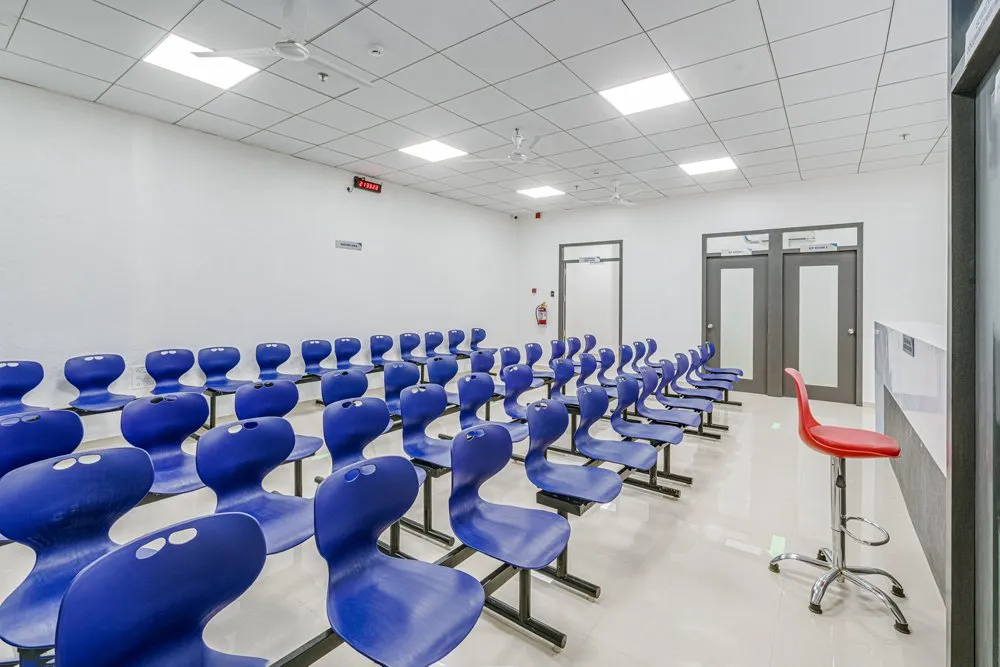
Built for Regulated Markets
Our clinical research facility is duly mandated by DCGI and ANVISA-approved, with infrastructure and processes designed to withstand scrutiny from the most advanced regulatory agencies.
Explore Specific Study Types
Deep dives into each study design — what it is, when regulators expect it, and how we run it.
Pilot BE Studies
Small, fast studies that measure formulation variability before you commit to a pivotal trial.
Learn MoreFed & Fasting BE
Food-effect and fed BE studies that show your product performs against the reference in both dosing states.
Learn MorePatient BE Studies
BE studies in patients when healthy-volunteer dosing is unsafe — cytotoxic, oncology, and high-risk products.
Learn MoreBiosimilar PK Studies
Comparative pharmacokinetic similarity studies for biosimilars, backed by large-molecule LC-MS/MS.
Learn MorePopulation BE
Designs and statistics for when average bioequivalence alone cannot answer the prescribability question.
Learn MorePostmenopausal Studies
Special-population BA/BE studies in postmenopausal women for hormone and women’s-health products.
Learn MoreTransdermal Patch BE
TDS bioequivalence programs covering PK, adhesion, irritation, sensitization, and residual drug analysis.
Learn MoreNasal Spray BE
Device-based BE combining in vitro performance testing with in vivo PK under a weight-of-evidence approach.
Learn MoreBioanalytical Services
LC-MS/MS method development, ICH M10 validation, and study sample analysis — the lab behind every study.
Learn MoreOur BA/BE Study Process
- 01
Study Design & Protocol
Molecule assessment, reference product strategy, sample size estimation, and a regulator-ready protocol tailored to your target market.
- 02
Ethics & Regulatory Approvals
Independent ethics committee submissions and regulatory clearances, managed end to end by our regulatory affairs team.
- 03
Volunteer Screening & Enrolment
Medical screening and enrolment of eligible subjects with strict inclusion criteria and informed consent processes.
- 04
Clinical Phase
Dosing, confinement, and timed blood sampling in our monitored clinical unit with round-the-clock medical supervision.
- 05
Bioanalysis
Sample analysis on validated LC-MS/MS platforms with incurred sample reanalysis and full chromatographic audit trails.
- 06
PK Analysis & Report
Pharmacokinetic and statistical analysis (90% confidence intervals, ANOVA) delivered in a submission-ready clinical study report.
A BA/BE Partner Sponsors Rely On
- DCGI-mandated, ANVISA-approved clinical research facility
- Study designs aligned to US FDA, EMA, and ICH expectations
- 75+ validated bioanalytical methods, small and large molecules
- Coupled LC-MS/MS units from AB Sciex for precise quantification
- 17,000 sq ft dedicated BA/BE centre in Pune
- One roof: clinical, bioanalytical, PK, statistics, and reporting
- Transparent milestone-based timelines in every proposal
- Strict ICH-GCP ethics with volunteer safety first
BA/BE Studies — Frequently Asked Questions
1. What is the difference between bioavailability and bioequivalence?
2. Which regulatory agencies accept your BA/BE studies?
3. What types of BA/BE studies do you conduct?
4. How is drug concentration measured in your BA/BE studies?
5. Do you conduct studies in special populations?
6. What is the acceptance criterion for bioequivalence?
7. What is a pilot bioequivalence study?
8. How long does a bioequivalence study take?
Explore Our Other Clinical Research Services
One research partner from first protocol draft to final approval, with every service under one roof.
Patient-Based Clinical Trials
Phase I–IV trial management with a pan-India investigator and site network.
Medical Writing
Protocols, CSRs, dossier documents, and publications aligned to ICH, FDA, and EMA.
Regulatory Affairs
Submission strategy and lifecycle support across US, Europe, Asia, and Brazil.
Ready to Start Your BA/BE Study?
Share your molecule and target market — our scientific team will respond with a study design, timeline, and detailed proposal.